Monday, 21 January 2013
Wednesday, 16 January 2013
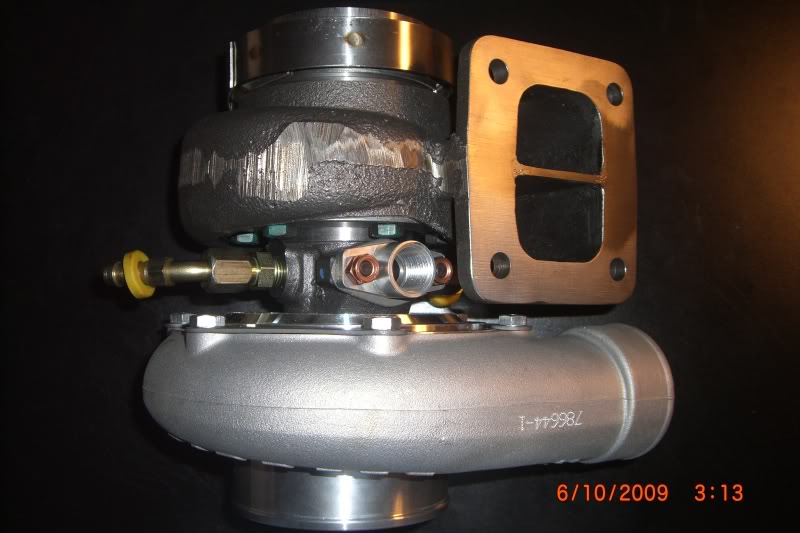
Misc Turbo Sizes and Flows
Turbo flows and sizes information, random copy paste from the web. If you do have anything to be taken down, please do let me know.
Source : http://evox.forumup.co.za/about47-evox.html
Evo 8 TD05 Turbo - (360HP) Stock Evo 8 TD05-16G with 9.8exhaust housing
Evo 8 TD05 Turbo - (380HP) TD05-16G with 10.5 exhaust housing
Evo 8 20G Turbo - (415HP) Upgraded TD05 with 20g compressorwheel and 10.5 exhaust housing
Evo 9 TD05 Turbo - (390HP) Stock Evo 9 TD05H-16G with 10.5 exhaust housing
Evo 9 20G Turbo - (425HP) Stock Evo 9 turbo with the 20G compressor wheel
Forced Performance have awsome Evo 9 based Turbos Available:
FP White (425HP) capable
Evo 9 based Turbo with:
Larger HTA 68mm Compressor Wheel
FP Green (475HP) capable
Larger FP 47lbs Compressor Wheel
Larger FP designed Turbine Wheel
FP RED (550HP) capable
Larger FP Red HTA Compressor Wheel
Larger FP designed Turbine Wheel
Also the 600HP+ FP Black and the new FP GREEN 73HTA Turbo (seems to be hot pick for a 500HP street turbo).
Also look at the BBK turbos, they seem quite popular.
nb. the stock turbo's need high boost and race fuel with suporting mods to make these kind of power figures... (But it is possible.)
GT3071R - (450HP) Boost is seen 700 - 1000 rpm earlier than the
GT3037S and only 200-300 later than stock. needs less boost than the FP Green to make the same power levels.
GT3076S - (525HP) This "benchmark" turbo, used my many a kitmaker, makes excellent power but spool-up does suffer about 1000rpm later than stock.
GT35R - (650HP) Most talked about Turbo - excellent race Turbo used by those that want big power an low ETs
T3/T4 Turbo kit choices:
Garrett 50 Trim T3T4E
Horsepower : 450hp
Compressor Wheel: 76mm Exducer; 54mm Inducer 50trim
Turbine Wheel: 65mm Inducer; 57mm Exducer 76trim
VS.
Precision PTE 5557 - T3/T4 Turbocharger
Horsepower: 495HP
Compressor Wheel: 76mm Exducer; 55mm Inducer 54trim (billet wheel)
Turbine Wheel: 65mm Inducer; 57mm Exducer 76trim
VS.
Garrett GT3076R
Horsepower: 525hp
Compressor Wheel: 57mm Ind; 76.2mm Exd 56trim
Turbine Wheel: 60mm Inducer; 56mm Exducer 84trim
VS.
Precision PTE 5857 - T3/T4 Turbocharger
Horsepower: 600HP (claimed by some shops but should be closer to 580HP)
Compressor Wheel: 76mm Exducer; 58mm Inducer (billet wheel)
Turbine Wheel: 65mm Inducer; 57mm Exducer 76trim
VS.
Garrett T3 60-1 - T3/T4 Turbocharger
Horsepower: 610HP (max flow potential for this T04S wheel)
Compressor Wheel: 76mm Exducer; 59mm Inducer 60trim
Turbine Wheel: 65mm Inducer; 57mm Exducer 76trim
VS.
Turbonetics T3/T04E Super 60
Horsepower: 580HP (No compressor map available but its a dead ringer for a GT4082 Comp Wheel)
Compressor Wheel: 82mm Exducer; 58mm Inducer 50trim
Turbine Wheel: 65mm Inducer; 57mm Exducer (F1)
and for 600HP+ = GT35R, PTE3562, PTE6262, GT4088R, etc...
So I've owned a lot of T3-T4 Turbo's of different specs and from experiance I can tell you that depending on the combination of compressor and exhaust wheels on std frame T3/T4 with a T3 .63 Turbine housing and a T04E Compressor side they can hit peak poost anywhere between 3000 and 5000rpm for a non ball-bearing Turbo...
I have been curious to see where the mordern day variants of these T3-T4's spool on a 2.3L EVO with the .63 Exhaust housing:
GT3071R - AMS say 3300-3400rpm on a 2.3L Stroker, with around 3800rpm on the stock block 2L. [450HP capable Turbo]
GT3076R - Evo_M owners claim 3800rpm on a 2.3L Stroker with about 4000-4200rpm on the stock block 2L depending on supporting mods... [500HP capable Turbo]
GT35R - 4100-4300rpm on a 2.3L Stroker and on the stock block 2L depending on supporting mods as high as 4500-4900rpm... [600HP capable Turbo]
On the whole .63 vs .82 Hotside issue:
Max Airflow Correted to Garrett Method:
EFR6258 = 42 lbs/min
GTX2860R = 42 lbs/min
GTX2863R = 44 lbs/min
EFR6758 = 45 lbs/min
GTX2867R = 47 lbs/min
EFR7064 = 51 lbs/min
GTX3071R = 57 lbs/min
EFR7670 = 60 lbs/min
GTX3076R = 65 lbs/min
EFR8374 = 75 lbs/min
GTX3582R = 76 lbs/min
EFR9180 = 88 lbs/min
GTX4294R = 97 lbs/min
Source : http://evox.forumup.co.za/about47-evox.html
Evo 8 TD05 Turbo - (360HP) Stock Evo 8 TD05-16G with 9.8
Evo 8 TD05 Turbo - (380HP) TD05-16G with 10.5 exhaust housing
Evo 8 20G Turbo - (415HP) Upgraded TD05 with 20g compressor
Evo 9 TD05 Turbo - (390HP) Stock Evo 9 TD05H-16G with 10.5 exhaust housing
Evo 9 20G Turbo - (425HP) Stock Evo 9 turbo with the 20G compressor wheel
Forced Performance have awsome Evo 9 based Turbos Available:
FP White (425HP) capable
Evo 9 based Turbo with:
Larger HTA 68mm Compressor Wheel
FP Green (475HP) capable
Larger FP 47lbs Compressor Wheel
Larger FP designed Turbine Wheel
FP RED (550HP) capable
Larger FP Red HTA Compressor Wheel
Larger FP designed Turbine Wheel
Also the 600HP+ FP Black and the new FP GREEN 73HTA Turbo (seems to be hot pick for a 500HP street turbo).
Also look at the BBK turbos, they seem quite popular.
nb. the stock turbo's need high boost and race fuel with suporting mods to make these kind of power figures... (But it is possible.)
GT3071R - (450HP) Boost is seen 700 - 1000 rpm earlier than the
GT3037S and only 200-300 later than stock. needs less boost than the FP Green to make the same power levels.
GT3076S - (525HP) This "benchmark" turbo, used my many a kitmaker, makes excellent power but spool-up does suffer about 1000rpm later than stock.
GT35R - (650HP) Most talked about Turbo - excellent race Turbo used by those that want big power an low ETs
T3/T4 Turbo kit choices:
Garrett 50 Trim T3T4E
Compressor Wheel: 76mm Exducer; 54mm Inducer 50trim
Turbine Wheel: 65mm Inducer; 57mm Exducer 76trim
VS.
Precision PTE 5557 - T3/T4 Turbocharger
Horsepower: 495HP
Compressor Wheel: 76mm Exducer; 55mm Inducer 54trim (billet wheel)
Turbine Wheel: 65mm Inducer; 57mm Exducer 76trim
VS.
Garrett GT3076R
Horsepower: 525hp
Compressor Wheel: 57mm Ind; 76.2mm Exd 56trim
Turbine Wheel: 60mm Inducer; 56mm Exducer 84trim
VS.
Precision PTE 5857 - T3/T4 Turbocharger
Horsepower: 600HP (claimed by some shops but should be closer to 580HP)
Compressor Wheel: 76mm Exducer; 58mm Inducer (billet wheel)
Turbine Wheel: 65mm Inducer; 57mm Exducer 76trim
VS.
Garrett T3 60-1 - T3/T4 Turbocharger
Horsepower: 610HP (max flow potential for this T04S wheel)
Compressor Wheel: 76mm Exducer; 59mm Inducer 60trim
Turbine Wheel: 65mm Inducer; 57mm Exducer 76trim
VS.
Turbonetics T3/T04E Super 60
Horsepower: 580HP (No compressor map available but its a dead ringer for a GT4082 Comp Wheel)
Compressor Wheel: 82mm Exducer; 58mm Inducer 50trim
Turbine Wheel: 65mm Inducer; 57mm Exducer (F1)
and for 600HP+ = GT35R, PTE3562, PTE6262, GT4088R, etc...
So I've owned a lot of T3-T4 Turbo's of different specs and from experiance I can tell you that depending on the combination of compressor and exhaust wheels on std frame T3/T4 with a T3 .63 Turbine housing and a T04E Compressor side they can hit peak poost anywhere between 3000 and 5000rpm for a non ball-bearing Turbo...
I have been curious to see where the mordern day variants of these T3-T4's spool on a 2.3L EVO with the .63 Exhaust housing:
GT3071R - AMS say 3300-3400rpm on a 2.3L Stroker, with around 3800rpm on the stock block 2L. [450HP capable Turbo]
GT3076R - Evo_M owners claim 3800rpm on a 2.3L Stroker with about 4000-4200rpm on the stock block 2L depending on supporting mods... [500HP capable Turbo]
GT35R - 4100-4300rpm on a 2.3L Stroker and on the stock block 2L depending on supporting mods as high as 4500-4900rpm... [600HP capable Turbo]
On the whole .63 vs .82 Hotside issue:
from EVO M |
davidbuschur wrote: |
|
scorke wrote: |
|
Max Airflow Correted to Garrett Method:
EFR6258 = 42 lbs/min
GTX2860R = 42 lbs/min
GTX2863R = 44 lbs/min
EFR6758 = 45 lbs/min
GTX2867R = 47 lbs/min
EFR7064 = 51 lbs/min
GTX3071R = 57 lbs/min
EFR7670 = 60 lbs/min
GTX3076R = 65 lbs/min
EFR8374 = 75 lbs/min
GTX3582R = 76 lbs/min
EFR9180 = 88 lbs/min
GTX4294R = 97 lbs/min
Tuesday, 15 January 2013
Manley H Beam vs I Beam
Hello guys, I know everyone is looking for comparisons for the manley conrods. I found these pictures on evolutionm.net and would like to share with you guys. Notice the weight and design. The question is, do you really need a I beam ? Source : Realstreetperformance
Manley turbo tuff vs standard evo
Tuesday, 8 January 2013
Wiseco vs Wiseco 1400HD
Since everyone over the internet is looking for pictures for the differences my buddy Mr Matt decided to share me some pictures. The Wiseco HD comes with a .22 pin instead of a .20 pin. Notice the piston is a asymmetrical skirt design and the much deeper valve relief ports.
Credits to
Credits to
Monday, 7 January 2013
Wiseco new 4G63 series , but do you notice the diffrences
Wiseco has a new range of pistons, but does everybody notice the diffrences in the Compression Height ? How will it effect our clearance.
4G63 Valve Spring Rates and Tests
Valve spring comparison #2
Evo VIII, Stock DSM, Manley, Brian Crower
· Used EVO VIII
· Used Stock 4G63
· Used Manley
· Used BC1100
· New BC1100
The EVO springs, set of 16, tested 58-62 lbs @ 1.530
Used stock 4G63 valve spring Appox. 140k miles
56lbs @ 1.530
Used Manley Valve spring, mileage unknown.
78lbs @ 1.530
Used BC1100 valve spring, Appox 5000 miles
85 lbs @ 1.530
There must have been a change in the production of the springs about 2-3
years ago. Since the used springs test stronger than the new ones.
New BC1100, right out of the box
80 lbs @ 1.530
Part Number #160-1280
Free length 1.910
O.D. 1.110
I.D. .754
Wire size .145x.178
Closed position
pressure & Length (intalled specs)
66@1.575 Valve closed
Open position
Pressure & length Valve Open
160@1.240
solid height
1.100
The factory installed springs should be close to this also.
EDIT: I just checked 7 sets of used 4G63 valve springs, and only came up with 1 and a half sets of decent used springs.
Most springs checked between 45-55 Lbs @ 1.575
I would say a good spring should test at 60lbs@1.575, Most spring manufactures, will allow 10% loss in spring tention for spring "break in"
I used a Rimac spring pressure tester.
Ferrea “beehive” Spring info
Specs on the springs
- Spring O.D. - 23.87mm / 28.07mm = .939/1.105
- Spring I.D. - 14.73mm / 18.85mm = .579/.742
- Seat Pressure - 90 lbs. @38mm = 1.496
- Open Pressure - 225 lbs. @28mm =1.102
- Rate Inch - 342 lbs.
- Coil Bind - 23mm =.905
- Max Net Lift – 13.5mm = .531
- Spring Material - PAC Alloy
http://www.extremepsi.com/store/cust...at=1417&page=1
BC 1100 Valve spring info
Spring Pressure:
BC1100 Seat:
Colsed 1.500" @ 95 lbs /
Open: 1.000" @ 235 lbs /
Coil Bind: 0.935"
(no machine work required)
http://www.briancrower.com/makes/mitsubishi/4g63.shtml
GSC Power-Division 4G63T Beehive Single Spring Set
Spring Pressures :
Seat @ 1.56"=68 lbs / .300"=160lbs / .400"=190lbs / .450"=210lbs / .625"= Coil bind.
http://www.vr-speed.com/store/gsc-po...63-p-2046.html
Kiggley springs
97lb Seat Pressure at 1.440"
325lb/in Rate
http://www.shop.kigglyracing.com/pro...2&categoryId=1
Source : http://www.dsmtuners.com/forums/cylinder-head-short-block/440147-valve-spring-comparison-2-evo-viii-stock-dsm-manley-brian-crower.html
by BogusSVO
by BogusSVO
Thursday, 3 January 2013
Tial Turbine Housing Raped
There two ways to mount a wastegate, one is on a turbine housing next is on the manifold itself. So below is how a Tial turbine housing is raped for this purpose.
Thursday, 13 December 2012
Tial MVS MVR Design Diagram
This is the NEW Tial MVS 38mm with a 38mm Vband Flange Inlet and a Vband Flange Outlet. The kit comes with both the inlet flange and outlet flange AND both clamps. It also includes all air fittings, block off fittings, banjo bolts and everything else required to install.
HKS vs GT naming conventions
The HKS and GT turbos are similar , the HKS turbos are actually manufactured by Garrett. They utilize similar parts except for the compressor cover and turbine housings. Below are your cross reference compiled by Tong Turbo.
Tuesday, 4 December 2012
GT30 & GT35 T4 Divided 1.06 A/R .ar housing
There are lot of turbocharging freaks looking out for a T4 Divided housing for the GT30 and GT35. There is an anwsers, previously ATP brought out a housing sized 1.06 .ar , but reviews were bad and the design of the divided flange was not the conventional T4 flange. Cracks was also one of the issues of this housing. ATP has redesigned the turbine housing and have launched out their new product.
Previous lower quality housing below
Monday, 3 December 2012
GT Ballbearing vs EFR Ballbearing catridge
A review comparing EFR and GT ballbearing surfaced up the internet sometime ago showing the picture below claiming the EFR to have a bigger ballbearing cage. The truth is both the GT and the EFR has bigger cages but they start at a diffrent turbocharger frame. The border catridge is actually a GTX3582 which oftenly is compared to a EFR8374 and also the GTX3076 with the EFR7670.
The GT/GTX series is divided to 3 frames while the EFR series is divided to only 2 frames.
GT25/28 Frame1, GT30/35 Frame2 , GT37,40,42 Frame3.
While in the EFR series , all EFR up to EFR6758 shares one frame while anything above it shares a bigger catridge. In comparison the EFR7670 sits in a bigger frame while GTX3076 sits in its seconds frame thus EFR having a bigger cage but also a beefier shaft which also means heavier. No doubt the GT series are proven till at high boost capabilities till today despite it counterparts differences. GT30/35 based turbos are one of the most used turbocharger in the Motorsport industry where some with billet wheels surpass the 800hp range.
EFR big cage vs GT small cage
GT small cage vs GT big cage
Garrett GTX vs GT 3076
Below are some results of GT3076 vs GTX3076, how technology of the new blade by Garrett make difference in power and response. The new GTX is a all new billet wheel which was carved to perfection on a C&C machine.
Source : http://www.dsmtuners.com/forums/turbo-system-tech/387381-garrett-gtx3076-turbo-pics.html
Source : http://www.nissansilvia.com/forums/index.php?showtopic=497486
See how much faster the GTX builds boost
Source : http://www.dsmtuners.com/forums/turbo-system-tech/387381-garrett-gtx3076-turbo-pics.html
Source : http://www.nissansilvia.com/forums/index.php?showtopic=497486
Hi all... i have conducted a TRUE comparison between the two turbos thanks to Sonic Performance and Garage 7. By true comparison i mean the only thing changed was the turbo. nothing else was touched. The result was suprising and disappointing both at the same time. We found that the GTX version DID spool quicker and hence started making torque and power earlier in the midrange. i now have FULL boost around the 3500 rpm mark which for a turbo like that is impressive. Its highly streetable!
The downside is that for the same boost level peak power is changed by .1 of a kw! its pretty much lineball! the two turbos match each other on the graph pretty much spot on.
runs were done with air temp probe and same correction mode and dyno that STatus uses for real world comparison.
Solid pink line is GTX, thin red line is GT.
See how much faster the GTX builds boost
VR4 AMG Intake Manifold 4G63
Comparison of the super Rare VR4 AMG tuned engine intake manifold vs the cyclone intake and the 1G / 4g67 intake manifold. The AMG is superior in size and flow. The AMG engine was built natural aspirated but it whopped nearly 200hp on a 2Liter 4G63.
Source : http://www.galantvr4.org/ubbthreads/showflat.php?Board=UBB3&Number=802855&page=5&fpart=1
Cyclone vs AMG
Source : http://www.galantvr4.org/ubbthreads/showflat.php?Board=UBB3&Number=802855&page=5&fpart=1
Cyclone vs AMG
Evo vs Vr4 head , DSM 1g vs 2g head
There are much confusion between the 1G vs 2G DSM head. The 1G head is similar to the VR4 Head while the 2G head is similar to the Evo 1,2,3. There is another head stamped 1.8L which is similar to the VR4 but instead of 47cc , it is a 43cc combustion chamber.
Below is 2G vs Evo III Intake manifold
Thursday, 29 November 2012
Volumetric Efficiency 101
by Brian Barnhill
Source : http://tunertools.com/articles/volumetric-efficiency.asp
This can actually be a quite tricky subject, mostly due to confusion and differing opinions among many people. Volumetric efficiency (VE) is typically defined as "the actual amount of air being pumped by the engine as compared to its theoretical maximum."
Basically, VE is a measure of how "full" the cylinders are.
As most of us will know from basic science, gas will expand to fill its container. Seemingly, that would suggest that the cylinder is always full. And, in the pure volumetric sense, that is correct. A 0.5 Liter cylinder will always have 0.5 liters of air in it. The measure we are looking for here is air density. A cylinder with 500 mols/liter of air in it is said to me "more full" than one with 400 mols/liter.
Now, where is this air density measured?
This is one of the points of disagreement. The point at which air density is measured is crucial. Many will claim that you must take the measurement at a standard, such atmospheric density. This, however, can cause many issues with VE measurements. Forced induction cars will have skewed VE values due to the simple fact that they are forcing more air into the manifold. With more air available to the engine, it will receive a larger/more dense amount. This is not a pure measurement of the efficiency of the engine,
To correct for these factors, air density available at the intake manifold should be used. This will correctly measure the VE based on the amount of air available to the engine. As a simple example: Take a 4 cylinder, 2.0 Liter engine (assume even flow to each cylinder) each cylinder will be 0.5 liters. If the intake manifold has a density of 100 mols/liter (this gives 25 mols/cyl), at 100% VE, the cylinder will have 25 mols/Liter. This comes from the equation:
VE = Densitycylinder/Densitymanifold * 100%
Lets look at this another way. Say the cylinder in a single cylinder engine has 186 mols/Liter. Now, the density of at the manifold is measured at 213 mols/Liter. The calculation of VE gives: VE = 286/213 * 100% or 87.32%
It is upon this principle that variable valve timing and similar technologies rely.
They will change the flow aspects of the engine to best match the particular RPM range. An engine is typically only maximized for a particular rpm range. By allowing the change in parameters, this can be overcome. This can easily be seen when looking at DYNO charts for any Vtec equipped engine (the S2000 is a good example). In these charts there will be a "double peak." The horsepower will begin to fall off at one point, and then climb again. This rpm point will correspond to the "Vtec" point.
Volumetric Efficiency plays a large role in how your engine operates. By understanding this parameter one can begin to grasp the details required to properly tune any engine.
4G63 Camshaft Specifications
| CAM | ADV Duration | Duration @ 1mm | Peak Lift (mm) | Centerline | |
| Intake | OEM EVO | 248 | 200 | 9.8 | |
| Exhaust | OEM EVO | 248 | 200 | 9.32 | |
| lIntake | Brian Crower | 272 | 206 | 10.54 | |
| Exhaust | Brian Crower | 272 | 206 | 9.86 | |
| Intake | Brian Crower | 276 | 216 | 11.07 | |
| Exhaust | Brian Crower | 276 | 216 | 11.07 | |
| Intake | Brian Crower | 280 | 213 | 10.3 | |
| Exhaust | Brian Crower | 280 | 216 | 10.36 | |
| Intake | Brian Crower | 288 | 222 | 11.83 | |
| Exhaust | Brian Crower | 288 | 220 | 12.14 | |
| Intake | Buddy Club Spec 1 | 264 | 10.8 | 108 | |
| lExhaust | Buddy Club Spec 1 | 272 | 10.2 | 107 | |
| Intake | Buddy Club Spec 2 | 272 | 10.8 | 108 | |
| Exhaust | Buddy Club Spec 2 | 264 | 10.2 | 107 | |
| Intake | Eitidd‘. Club Spec 3 | 280 | 10.3 | 116 | |
| Exhaust | Buddy Club Spec 3 | 230 | 10.2 | 116 | |
| Intake | Buddy Club Spec 4 | 290 | 11.5 | 110 | |
| Exhaust | Buddy Club Spec 4 | 290 | 11.5 | 110 | |
| Intake | Comp 264 | 248 | 10.3 | 104 | |
| Exhaust | Comp 264 | 248 | 10.2 | 112 | |
| Intake | Comp 272 | 256 | 10.8 | 104 | |
| Exhaust | Comp 272 | 257 | 10.2 | 112 | |
| Intake | Comp 280 | 264 | 11 | 104 | |
| Exhaust | Comp 280 | 265 | 10.4 | 112 | |
| Intake | Cosworth M2 | 272 | 11 | ||
| Exhaust | Cosworth M2 | 272 | 11 | ||
| Intake | Costworth M3 | 280 | 11.6 | ||
| Exhaust | Costworth M3 | 272 | 11 | ||
| Intake | FP 4R | 267 | 221 | 11.1 | 108 |
| Exhaust | FP 4R | 275 | 228 | 10.9 | 113 |
| Intake | FP 5R | 279 | 233 | 12.1 | 110 |
| Exhaust | FP 5R | 285 | 238 | 11.8 | 114 |
| Intake | GSC S1 | 268 | 216 | 11 | 107 |
| Exhaust | GSC S1 | 268 | 220 | 10.5 | 113 |
| Intake | GSC S2 | 274 | 230 | 11.2 | 107 |
| Exhaust | GSC S2 | 274 | 230 | 11 | 113 |
| Intake | GSC S3 | 280 | 238 | 11.7 | 109 |
| Exhaust | GSC S3 | 280 | 235 | 11.7 | 115 |
| Intake | Greddy | 260 | 10.8 | 110 | |
| Exhaust | Greddy | 260 | 10.3 | 112 | |
| Intake | HKS Step 1 | 264 | 10.8 | 110 | |
| Exhaust | HKS Step 1 | 264 | 10.2 | 110 | |
| Intake | HKS Step 1 | 272 | 10.8 | 110 | |
| Exhaust | HKS Step 1 | 272 | 10.2 | 110 | |
| Intake | HKS Step 1 | 280 | 10.8 | 110 | |
| Exhaust | HKS Step 1 | 280 | 10.2 | 110 | |
| Intake | HKS Step 2 | 274 | 11 | ||
| Exhaust | HKS Step 2 | 278 | 11 | ||
| Intake | JUN 264 | 264 | 10.5 | 110 | |
| Exhaust | JUN 264 | 264 | 10.5 | 115 | |
| Intake | JUN 272 | 272 | 235 | 10.8 | 110 |
| Exhaust | JUN 272 | 272 | 235 | 10.8 | 115 |
| Intake | Kelford TX258 | 258 | 208 | 10.5 | 107 |
| Exhaust | Kelford TX258 | 264 | 220 | 10.5 | 111 |
| Intake | Kelford TX264 | 264 | 216 | 11 | 107 |
| Exhaust | KeIford TX264 | 260 | 216 | 10.35 | 113 |
| Intake | kelford TX272 | 272 | 226 | 11 | 107 |
| Exhaust | Kelford TX272 | 272 | 226 | 11 | 113 |
| Intake | Kelford TX280 | 280 | 233 | 113 | 107 |
| Exhaust | Kelford TX280 | 276 | 230 | 11 | 115 |
| Intake | Kelford TX288 | 288 | 242 | 12 | 105 |
| Exhaust | Kelford TX288 | 280 | 238 | 11.5 | 117 |
| Intake | Kelford TX276HL | 276 | 234 | 123 | 106 |
| Exhaust | Kelford TX276HL | 272 | 230 | 12 | 115 |
| Intake | Kelford TX284HL | 284 | 242 | 12.5 | 106 |
| Exhaust | Kelford TX284HL | 280 | 238 | 12 | 116 |
| Intake | kelford TX294HL | 294 | 250 | 12.5 | 106 |
| Exhaust | Kelford TX294HL | 292 | 244 | 12 | 117 |
| Intake | Piper Drag Race | 290 | 11.99 | 106 | |
| Exhaust | Piper Drag Race | 290 | 11.99 | 106 | |
| Intake | Piper Race | 274 | 11.99 | 106 | |
| Exhaust | Piper Race | 274 | 11.99 | 106 | |
| Intake | Piper Race | 274 | 11.51 | 106 | |
| Exhaust | Piper Race | 274 | 11.51 | 106 | |
| Intake | Piper Race | 270 | 11.51 | 106 | |
| Exhaust | Piper Race | 270 | 11.51 | 106 | |
| Intake | Piper Fast Road | 272 | 10.8 | 108 | |
| Exhaust | Piper Fast Road | 256 | 10.16 | 107 | |
| Intake | Piper Fast Road | 264 | 11 | 108 | |
| Exhaust | Piper Fast Road | 260 | 10.1 | 107 | |
| Intake | Piper Ultimate Road | 265 | 11.51 | 108 | |
| Exhaust | Piper Ultimate Road | 265 | 10.8 | 107 | |
| Intake | Piper Rally | 265 | 11.51 | 108 | |
| Exhaust | Piper Rally | 265 | 11.51 | 107 | |
| Intake | Piper Group A | 265 | 11.51 | 106 | |
| Exhaust | Piper Group A | 267 | 9.61 | 108 | |
| Intake | Revolver | 262 | 222 | 11.4 | 109 |
| Exhaust | Revolver | 264 | 223 | 11.5 | 111 |
| Intake | Skunk2 Tuner Series | 264 | 10.8 | ||
| Exhaust | Skunk2 Tuner Series | 272 | 10.2 | ||
| Intake | Tomei PON | 260 | 10.7 | ||
| Exhaust | Tomei PON | 260 | 10.2 | ||
| Intake | Tomei PON Type R | 270 | 10.7 | ||
| Exhaust | Tomei PON Type R. | 270 | 10.2 | ||
| Intake | Tomei PRO | 270 | 11.5 | 110 | |
| Exhaust | Tomei PRO | 270 | 11.5 | 115 | |
| Intake | Tomei PRO Solid | 230 | 11.5 | ||
| Exhaust | Tomei PRO Solid | 230 | 11.5 | ||
| Intake | Tomei Pro Solid | 290 | 11.5 | ||
| Exhaust | Tomei Pro Solid | 290 | 11.5 |
Tuesday, 27 November 2012
Forged Pistons , Ring end gap & Piston clearance by Arias
20:25
2 comments
Minimum Ring End Gaps And Clearance
| Ring | Application | Minimum End Gap Per Inch Of Bore |
|---|---|---|
| Premium Top Rings | Blown Fuel, Alky, Gas | 0.008 |
| Injected Fuel | 0.007 | |
| Blown Fuel, Alky, Gas | 0.0075 | |
| Blown Gas, Street | 0.0065 | |
| Nitrous Less 250hp | 0.0065 | |
| Heavy Nitrous 250hp+ | 0.0075 | |
| Na Alky, Gas | 0.0055 | |
| N.a Gas, Street | 0.005 | |
| Cast Iron Second Rings | Blown Fuel, Alky, Gas | 0.006 |
| Na Alky, Fuel | 0.005 | |
| Na Gas | 0.004 | |
| Third Groove Oil Control Rings | Upper And Lower Rails | .015" min. |
Recommended Piston Clearances
| Minimum Piston To Valve | Normally Aspirated | Int. 090" Exh. .110" |
| Blown | Int. .125" Exh. .175" | |
| Minimum Piston To Head | Steel Rods | .040"-.050" |
Source : http://ariaspistons.com/technical.asp
Monday, 26 November 2012
Mitsubishi Spark Plug list
20:55
5 comments
MITSUBISHI
Model | Engine | Eng. size | Dates of release | Plug type | V-line | Gap |
| 3000 GT | 6G7 | 3.0 | 97- | PFR6J-11 | - | 1,1 |
| 3000 GT | 6G72 MPI TC | 3.0 | 95- | PFR6J-11 | - | 1,1 |
| 3000 GT | 6G72/T DOHC | 3.0 | 09.92- | PFR6J-11 | - | 1,1 |
| Carisma | 4G92 SOHC | 1.6 | 97- | BKR6E-11 | 14 | 1,1 |
| Carisma | 4G93 SOHC | 1.8 | 97- | BKR6E-11 | 14 | 1,1 |
| Carisma GDI | 4G93 GDI | 1.8 | 09.97- | PZFR6B | - | 0,8 |
| Carisma 1600 DAO | 4G92 | 1.6 | 09.95- | BKR6E-11 | 14 | 1,1 |
| Carisma 1800 DAO | 4G93 | 1.8 | 09.95- | BKR6E-11 | 14 | 1,1 |
| Carisma 1800 DAO | 4G93 | 1.8 | 09.95- | BKR6E-11 | 14 | 1,1 |
| Champ 1300 | 4G13 | 1.3 | 94- | BP5ES | 8 | 0,8 |
| Champ 1500 | 4G15 | 1.5 | 94- | BPR5ES-11 | - | 1,1 |
| Colt | 4G13 | 1.3 | 03.96- | BUR6EA-11 | - | 1,1 |
| Colt | 4G92 | 1.6 | 03.96- | BKR6E-11 | 14 | 1,1 |
| Colt 1200 | 4G11 | 1.2 | - 84 | BPR5ES | 6 | 0,8 |
| Colt 1200 C10 | 4G16 | 1.2 | 85- 88 | BPR6ES | 2 | 0,8 |
| Colt 1300 | 4G1 | 1.3 | 97- | BPR5ES-11 | - | 1,1 |
| Colt 1300 | 4G13 | 1.3 | 95- | BPR5ES-11 | - | 1,1 |
| Colt 1300 | 4G13 | 1.3 | 89- | BPR6ES | 2 | 0,8 |
| Colt 1300 | 4G13 | 1.3 | 03.96- | BUR6EA-11 | - | 1,1 |
| Colt 1300 | 4G13 / MPI | 1.3 | 92- | BPR5ES-11 | - | 1,1 |
| Colt 1300 | 4G13 / MPI Cat. | 1.3 | 93- 94 | BPR6ES-11 | 13 | 1,1 |
| Colt 1400 | 1.4 | - 87 | BPR6ES | 2 | 0,8 | |
| Colt 1500 | 4G15 | 1.5 | 94- | BP5ES | 8 | 0,8 |
| Colt 1500 | 4G15 | 1.5 | BPR6ES | 2 | 0,8 | |
| Colt 1500 | 4G15 Cat. | 1.5 | BPR6ES-11 | 13 | 1,1 | |
| Colt 1600 | 4G9 MVV | 1.6 | 97- | BKR5E-11 | - | 1,1 |
| Colt 1600 | 4G9(not MVV Magermix) | 1.6 | 97- | BKR6E-11 | 14 | 1,1 |
| Colt 1600 | 4G92 | 1.6 | 03.96- | BKR6E-11 | 14 | 1,1 |
| Colt 1600 | 4G92 | 1.6 | 92- 93 | BKR6E-11 | 14 | 1,1 |
| Colt 1600 | 4G92 MPI | 1.6 | 94- 95 | BKR6E-11 | 14 | 1,1 |
| Colt 1600 | 4G92 MPI MVV | 1.6 | 95- 96 | BKR5E-11 | - | 1,1 |
| Colt 1600 | 1.6 | BPR6ES | 2 | 0,8 | ||
| Colt 1600 16V | 4G92 | 1.6 | 12.91- | BPR6ES | 2 | 0,8 |
| Colt 1600 Turbo | 1.6 | 86- 88 | BPR6ES | 2 | 0,8 | |
| Colt 1600 Turbo | 1.6 | (85) | BPR7ES | 19 | 0,8 | |
| Colt 1800 | 4G67 | 1.8 | BPR7ES | 19 | 0,8 | |
| Colt 1800 | 4G67 Cat. | 1.8 | BPR7ES | 19 | 0,8 | |
| Colt 1800 GTI 16V | 4G93 MPI | 1.8 | 94- | BKR6E-11 | 14 | 1,1 |
| Cordia | 4G32 | 1.6 | -84/86- | BPR5ES | 6 | 0,8 |
| Cordia | 4G32 | 1.6 | (85) | BPR6ES | 2 | 0,8 |
| Cordia Turbo | 4G32 | 1.6 | - 84 | BPR6ES | 2 | 0,8 |
| Cordia Turbo | 4G62 / G62B | 1.8 | 85- | BR7ES | - | 0,8 |
| Diamante 3000 | 6G72 MPI DOHC | 3.0 | 94- | BK6E | - | 0,8 |
| Diamante 3000 | 6G72 MPI SOHC | 3.0 | 94- | BPR6ES-11 | 13 | 1,1 |
| Eclipse | 4G6 | 2.0 | 97- | BPR6ES-11 | 13 | 1,1 |
| Eclipse 2009 | 4G63 MPI DOHC | 2.0 | 91-10.95 | BPR7ES | 19 | 0,8 |
| Eclipse 2009 D30 | 4G63 | 2.0 | 11.95- | BUR7EA-11 | - | 1,1 |
| Expo 1800 LRV | 4G93 MPI | 1.8 | 94- | BKR5E-11 | - | 1,1 |
| Expo 2400 / LRV | 4G64 MPI SOHC | 2.4 | 94- | BKR5E-11 | - | 1,1 |
| Galant | 4G6 | 2.0 | 97- | BKR6E-11 | 14 | 1,1 |
| Galant V6 | 6A13 | 2.5 | 97- | PFR6G-11 | - | 1,1 |
| Galant V6 24V | 6G73 MPI | 2.5 | 95- | PFR6J-11 | - | 1,1 |
| Galant 1200 | 1.2 | - 84 | BPR6ES | 2 | 0,8 | |
| Galant 1400 | 1.4 | - 84 | BPR5ES | 6 | 0,8 | |
| Galant 1600 | 4G32 | 1.6 | BPR6ES | 2 | 0,8 | |
| Galant 1800 | 4G37 | 1.8 | BPR6ES | 2 | 0,8 | |
| Galant 1800 | 4G37 Cat. | 1.8 | - 91 | BPR6ES-11 | 13 | 1,1 |
| Galant 1800 | 4G37 Cat. | 1.8 | 92- | BPR7ES-11 | - | 1,1 |
| Galant 1800 | 4G93 | 1.8 | 94- | BK6E | - | 0,8 |
| Galant 1800 | 4G93 MPI | 1.8 | 94- | BKR6E-11 | 14 | 1,1 |
| Galant 2009 | Cat. | 2.0 | 92- | BPR7ES-11 | - | 1,1 |
| Galant 2009 | 4G63 | 2.0 | 93- | BK6E | - | 0,8 |
| Galant 2009 | 4G63 | 2.0 | 96- | BKR6E-11 | 14 | 1,1 |
| Galant 2009 | 4G63 | 2.0 | BPR6ES | 2 | 0,8 | |
| Galant 2009 | 4G63 | 2.0 | 92- | BPR7ES-11 | - | 1,1 |
| Galant 2009 | 4G63 Cat. | 2.0 | BPR6ES-11 | 13 | 1,1 | |
| Galant 2009 | 4G63 MPI | 2.0 | 94- | BKR6E-11 | 14 | 1,1 |
| Galant 2009 | 4G63D | 2.0 | 92- | BPR6ES | 2 | 0,8 |
| Galant 2009 V6 | 6A12 MPI 24V | 2.0 | 93- | PFR6J-11 | - | 1,1 |
| Galant 2400 | 4G64 MPI DOHC | 2.4 | 94- | BPR6ES-11 | 13 | 1,1 |
| Galant 2400 | 4G64 MPI SOHC | 2.4 | 94- | BKR6E-11 | 14 | 1,1 |
| Galant 2500 V6 | 24V | 2.5 | 93- | PFR6J-11 | - | 1,1 |
| Galant Dynamic | 4G63 | 2.0 | 91- | BPR6ES | 2 | 0,8 |
| L200 | 4G32 | 1.6 | 92- | BPR5ES | 6 | 0,8 |
| L200 | 4G32 Cat. | 1.6 | BPR6ES | 2 | 0,8 | |
| L200 | 4G54 | 2.6 | - 92 | BPR6ES-11 | 13 | 1,1 |
| L200 | 4G54/B | 2.6 | 93- | BPR6ES-11 | 13 | 1,1 |
| L200 | 4G63 | 2.0 | 92- | BPR6ES | 2 | 0,8 |
| L200 | 4G63 | 2.0 | - 92 | BPR7ES | 19 | 0,8 |
| L200 | 4G64 MPI | 2.4 | 94- | BPR6ES-11 | 13 | 1,1 |
| L200 | G54B | 2.6 | 95- | BUR6EA-11 | - | 1,1 |
| L300 | 4G32 | 1.6 | BPR5ES | 6 | 0,8 | |
| L300 | 4G33 | 1.4 | 94- | BP6ES | 4 | 0,8 |
| L300 | 4G63 | 2.0 | BPR5ES | 6 | 0,8 | |
| L300 | 4G63 | 2.0 | 92- | BPR6ES | 2 | 0,8 |
| L300 | 4G63 Cat. | 2.0 | 92- | BPR6ES | 2 | 0,8 |
| L300 | 4G63 FBC | 2.0 | 95- | BKR5E-11 | - | 1,1 |
| L300 | 4G63 MPI | 2.0 | 95- | BKR5E-11 | - | 1,1 |
| L300 | 4G64 Cat. | 2.4 | 92- | PGR6A-11 | - | 1,1 |
| L400 | 4G63 MPI | 2.0 | 95- | BKR5E-11 | - | 1,1 |
| L400 | 4G64 MPI | 2.4 | 95- | BKR5E-11 | - | 1,1 |
| Lancer 1200 | 4G11 | 1.2 | - 84 | BPR5ES | 6 | 0,8 |
| Lancer 1200 | 4G16 | 1.2 | 85- | BPR6ES | 2 | 0,8 |
| Lancer 1300 | 4G1 | 1.3 | 97- | BPR5ES-11 | - | 1,1 |
| Lancer 1300 | 4G13 | 1.3 | 10.92- | BP5ES | 8 | 0,8 |
| Lancer 1300 | 4G13 | 1.3 | 89- 92 | BPR6ES | 2 | 0,8 |
| Lancer 1300 | 4G13 | 1.3 | 03.96- | BUR6EA-11 | - | 1,1 |
| Lancer 1300 | 4G13 | 1.3 | 03.96- | BUR6EA-11 | - | 1,1 |
| Lancer 1300 | 4G13 Cat. | 1.3 | -09.92 | BPR6ES | 2 | 0,8 |
| Lancer 1300 | 4G13 MPI | 1.3 | 10.92- | BPR5ES-11 | - | 1,1 |
| Lancer 1400 | 4G12 | 1.4 | - 84 | BPR5ES | 6 | 0,8 |
| Lancer 1500 | 4G15 | 1.5 | 93- | BP5ES | 8 | 0,8 |
| Lancer 1500 | 4G15 | 1.5 | 85- 92 | BPR6ES | 2 | 0,8 |
| Lancer 1500 | 4G15 Cat. | 1.5 | 86- 92 | BPR6ES-11 | 13 | 1,1 |
| Lancer 1500 | 4G91 MPI | 1.5 | 94- | BK6E-11 | - | 1,1 |
| Lancer 1600 | 4G61 DOHC | 1.6 | 90-09.92 | BPR6ES | 2 | 0,8 |
| Lancer 1600 | 4G9 MVV | 1.6 | 97- | BKR5E-11 | - | 1,1 |
| Lancer 1600 | 4G9(not MVV Magermix) | 1.6 | 97- | BKR6E-11 | 14 | 1,1 |
| Lancer 1600 | 4G92 MPI | 1.6 | 10.92- | BKR6E-11 | 14 | 1,1 |
| Lancer 1600 | 4G92 MVV | 1.6 | 94- | BKR5E-11 | - | 1,1 |
| Lancer 1600 | 1.6 | - 84 | BPR5ES | 6 | 0,8 | |
| Lancer 1600 Turbo | 4G32T | 1.6 | 86- 88 | BPR6ES | 2 | 0,8 |
| Lancer 1600 Turbo | 4G32T | 1.6 | (85) | BPR7ES | 19 | 0,8 |
| Lancer 1600 Twin Carb. | 1.6 | BPR6ES | 2 | 0,8 | ||
| Lancer 1800 | 4G37 Cat. | 1.8 | BPR6ES-11 | 13 | 1,1 | |
| Lancer 1800 | 4G67 | 1.8 | BPR7ES | 19 | 0,8 | |
| Lancer 1800 16V | 4G93 MPI | 1.8 | 93- | BK6E | - | 0,8 |
| Mirage | 4G15 MPI | 1.5 | 94- | BPR5ES-11 | - | 1,1 |
| Mirage | 4G93 MPI | 1.8 | 94- | BKR5E-11 | - | 1,1 |
| Montero V6 3000 | 6G72 | 3.0 | 91- | BPR5ES-11 | - | 1,1 |
| Pajero | 4G64 | 2.4 | 97- | BPR6ES-11 | 13 | 1,1 |
| Pajero | 6G72 12Ventiler | 3.0 | 97- | BPR5ES-11 | - | 1,1 |
| Pajero | 6G72 24Ventiler | 3.0 | 97- | PFR6J-11 | - | 1,1 |
| Pajero | 6G74 | 3.5 | 97- | PFR5J-11 | - | 1,1 |
| Pajero 2400 | 4G64 | 2.4 | 03.91- | BPR6ES-11 | 13 | 1,1 |
| Pajero 2600 | 4G54 | 2.6 | BPR5ES | 6 | 0,8 | |
| Pajero 2600 | 4G54 Cat. | 2.6 | BPR5ES-11 | - | 1,1 | |
| Pajero 2600 | 2.6 | 92- | BP6ES-11 | - | 1,1 | |
| Pajero 3000 V6 | 6G72 | 3.0 | 89- | BPR5ES-11 | - | 1,1 |
| Pajero 3500 V6 | 6G74 DOHC | 3.5 | 04.94- | PFR6J-11 | - | 1,1 |
| Sapporo 1200 | 1.2 | BPR6ES | 2 | 0,8 | ||
| Sapporo 1400 | 1.4 | BPR5ES | 6 | 0,8 | ||
| Sapporo 1600 | 1.6 | BPR5ES | 6 | 0,8 | ||
| Sapporo 1600 Twin Carb. | 1.6 | BPR6ES | 2 | 0,8 | ||
| Sapporo 2009 | 2.0 | BPR6ES | 2 | 0,8 | ||
| Sapporo 2400 | 4G64 | 2.4 | BPR7ES-11 | - | 1,1 | |
| Sapporo GSR | 2.0 | 03.81-11.84 | BPR7ES | 19 | 0,8 | |
| Sapporo Turbo | 2.0 | 03.81-11.84 | BR7ES | - | 0,8 | |
| Sigma V6 | 6G72 DOHC 24V | 3.0 | 91- 93 | PFR6J-11 | - | 1,1 |
| Sigma V6 | 6G72 SOHC | 3.0 | 91- 93 | BPR6ES-11 | 13 | 1,1 |
| Sigma 3000 | 6G72 MPI V6 | 3.0 | 94- | BPR6ES-11 | 13 | 1,1 |
| Sigma 3000 | 6G72 MPI V6-24V | 3.0 | 94- | PFR6J-11 | - | 1,1 |
| Space Gear | 4G63 MPI | 2.0 | 04.95- | BKR5E-11 | - | 1,1 |
| Space Gear | 4G64 MPI | 2.4 | 04.95- | BKR5E-11 | - | 1,1 |
| Space Gear | 4G69 | 2.0 | 97- | BKR5E-11 | - | 1,1 |
| Space Runner | 4G93 | 1.8 | 97- | BKR6E-11 | 14 | 1,1 |
| Space Runner 1800 | 4G93 | 1.8 | 94- | BK6E | - | 0,8 |
| Space Runner 1800 | 4G93 | 1.8 | 09.91- 92 | BKR6E-11 | 14 | 1,1 |
| Space Runner 1800 | 4G93 MPI | 1.8 | 94- | BKR6E-11 | 14 | 1,1 |
| Space Wagon | 4G63 | 2.0 | 97- | BKR5E-11 | - | 1,1 |
| Space Wagon | 86- 88 | BPR6ES | 2 | 0,8 | ||
| Space Wagon | (85) | BPR7ES | 19 | 0,8 | ||
| Space Wagon 1800 | 4G37 | 1.8 | 89- | BPR6ES | 2 | 0,8 |
| Space Wagon 1800 | 4G93 | 1.8 | 94- | BK6E | - | 0,8 |
| Space Wagon 1800 | 4G93 | 1.8 | 09.91- 93 | BKR6E-11 | 14 | 1,1 |
| Space Wagon 1800 | 4G93 MPI | 1.8 | 94- | BKR6E-11 | 14 | 1,1 |
| Space Wagon 2009 | 4G63 Cat. | 2.0 | 89- | BPR7ES-11 | - | 1,1 |
| Space Wagon 2009 | 4G63 MPI Cat. | 2.0 | 93- | BKR6E-11 | 14 | 1,1 |
| Space Wagon 2009 4WD | 2.0 | 89- | BPR7ES | 19 | 0,8 | |
| Starion 2009 | 2.0 | BPR7ES | 19 | 0,8 | ||
| Starion 2600 Turbo | G54B Cat. | 2.6 | 89- | BPR6ES-11 | 13 | 1,1 |
| Starion Turbo | 2.0 | BR7ES | - | 0,8 | ||
| Tredia | 1.6 | -84/86- | BPR5ES | 6 | 0,8 | |
| Tredia | 1.6 | (85) | BPR6ES | 2 | 0,8 | |
| Tredia Turbo | 1.6 | - 84 | BPR6ES | 2 | 0,8 | |
| Tredia Turbo | 1.8 | 85- | BR7ES | - | 0,8 |
Cable Plug Information
Review: http://www.dsmtuners.com/forums/frequently-answered-dsm-questions/147493-answer-spark-plug-wires-ignition-wires.html
This is to help all those looking to upgrade their ignition wires and are not sure what brand they would like to buy.
The following is the resistance measured in ohms/ft by each major ignition wire distributer.
(low = good, high = bad)
MSD Ignition 8.5mm Super Conductor (40-50 ohms/ft)
Accel Thundersport (150 ohms/ft)
Taylor 8mm Spiro Pro (350 ohm/ft)
Aurora ignition wire set (400 ohms/ft)
Vitek Performance Cables (their web site does not mention resistance, but John Monnin measured them at about 800 ohms/ft; the label under Vitek's braiding says "Magstar Gold 8mm High Performance S-4 Stainless Steel Mag Wire" - thanks John!; Magstar wires are manufactured by Wiretec)
Wiretec Magstar Gold (800 ohms/ft as measured by John Monnin)
NGK Resistor Spark Plug Wire Set (2600 ohms/ft)
Mitsubishi factory wire sets (3000++ ohms/ft)
Car Quest brand wire sets (3000++ ohms/ft - Thanks to Bret for measuring these wires.)
Magnecor KV85 (6000++ ohms/ft)
VR4 vs Evo Layout
VR4 and Evo has different layouts, different intake manifolds. The Coil plugs of the VR4 are longer as the coils sits down below compared to the evo.
Credits of pictures to VTEC_THIS from dsmtuners.
4G63 Spark Plugs Info
The Spark Plug FAQ: or "What spark plugs should I use in my DSM?"
Every few weeks, sometimes even every few days, there comes a thread where a new owner of a DSM asks what the best spark plugs are for his or her car. More rare, but still seen every once in a while is the question posed where the owner is having problems with the car stumbling, hesitating, losing power, and otherwise not running quite right. In some cases, it is due to not running the correct spark plug or plug type. In this FAQ, I'll try to depict a few different types of spark plug and the pro's and con's of each. There's a fairly definite answer to the question you may have: "What spark plug should I use in my DSM," but we'll get to that later.
Source : http://www.dsmtuners.com/forums/frequently-answered-dsm-questions/233421-spark-plug-faq.html
First, a few pictures of some various spark plugs you may be currently using, have used in the past, or have considered using. Note: The following applies mostly to turbo DSM's and may not reflect usage in a non-turbo application.
#1. The NGK BPR6ES. This is what the majority of DSM'ers who don't have too many mods or are running fairly low boost will tend to use.
#2. This is the NGK BPR6EKN. This is what you'll most likely be offered if you walk into an auto parts store or dealership and ask for plugs for your turbo DSM, because this is the plug called for in the Owner's Manual and the shop manual. It was the standard factory plug for turbo DSMs. Notice the dual electrode. It's fairly pointless, since the spark will only jump to one of them, but these are an option for our cars, although not the best option. Unless part of your shop's income is generated by selling spark plugs, of course.
#3. This is a Bosch Super plug for the DSM 4g63t. It's a copper plug, fairly similar to the NGK, more or less. You may be offered this plug when you go to an auto parts store.
#4. This is a Bosch Platinum plug. This is another option you may be given when you go to your local auto parts store. It has been the experience of nearly ever DSM'er that you should avoid platinum plugs at all costs in turbocharged applications. The salesperson will most likely tell you that platinum plugs last a long time, or maybe they're on sale. It doesn't matter. They simply are not the best, nor worth the cost, for our cars.
A note about the pic: Do you notice anything missing that was visible in the previous pictures? That's right. The center electrode is amazingly small, nearly invisible. Below are two internal diagrams of the Bosch plugs (copper and platinum) from the exterior of their respective boxes.
#5. Here is a Bosch Platinum +4. It has four electrodes and a small platinum center electrode.
I don't have any pictures of any iridium plugs because they're special order where I work, and we didn't have any in stock. This isn't suprising because of their cost. For the price of a single iridium plug, you could have an entire set of standard copper plugs with money left over for a gapping tool and a frosty beverage.
One of the most frequently asked questions that crops up often here on DSMtuners is: "What kind of spark plug should I use in my (turbo) DSM?"
Use NGKs. They are the best for our cars. For some unknown reason, our cars just 'prefer' them.
HEAT RANGES:
An important feature of spark plugs that often goes unnoticed, or is often misunderstood, is what is known as the "heat range" of a spark plug. The spark plug must dissipate heat. Different heat ranges of spark plugs dissipate heat at different rates, which allows people to use different plugs for different applications. The plugs do not create heat, but instead remove it. The heat is transferred through the metal shell of the plug, to the head, where it is removed by the oil and water passages in the head. The way it does so is best shown by this diagram from NGK's website:
Different companies sometimes use different methods for determining the heat ranges of their plugs. NGK, for example, uses lower numbers for hotter plugs and higher numbers for colder plugs; i.e. BPR6ES plugs are hotter than BPR7ES plugs. Using too cold of a plug in your car will lead to fouling, but using too hot of a plug may lead to a hot-spot developing on the plug surface, which may result in pre-ignition/detonation. The ideal situation is to use the coldest plug possible without fouling.
Here's a comparison of three spark plugs made by NGK. At first glance, you may not notice a difference. Upon closer inspection, you may find that the shape and thickness of the white insulator around the center electrode thickens as the plug's heat range goes colder. In addition, the insulator is in contact with more of the outer shell where the threads of the plug are as the plug's range goes colder. On the left is a BPR5ES, in the middle is a BPR7ES, and on the right is a BPR9ES.
The more contact the insulator has with the outer shell, the more heat can be transferred out of the plug and into the head. Heat doesn't travel through air as well, so in a plug with less contact with the outer shell, the core of the plug stays hotter.
Another frequently asked question seen here (now that you know you need NGKs) is: "What heat range of NGK do I need for my (turbo) DSM?"
There are no set rules, but there are guidelines:
-For stock to near-stock cars, BPR6ES.
-For mildly modified to - heavily modified or high-boost, use BPR7ES.
-For heavily modified, high boost applications, use BPR8ES.
If plug fouling occurs, go one step hotter and monitor performance and results.
Example:
Stock car, T25/14b, 12-15 psi, upgraded intake/exhaust: 6ES
16g, 20 psi, water/meth injection : 7ES-8ES
GT35R, nitrous, the works: 8ES-9ES-10ES
METALS:
Copper, Platinum, Iridium. (What's next, Adamantium?) What's the right one for you? As mentioned earlier, the vast majority of DSM'ers will swear by standard NGK copper plugs. Platinum is not as good a conductor as copper, but it's harder so it lasts longer. Iridium is also very hard, but it's also very rare, which makes it expensive. The consensus regarding iridium plugs is that while they work, they're not worth the price when standard $2/each copper plugs work more or less the same. Even though platinum plugs are closer in price to copper plugs, it's been my experience along with many other members, that running platinum plugs caused fouling, stumbling, hesitation, a loss of power, a decrease in gas mileage, and poor idle. Switching to standard NGK copper plugs solved the problems immediately.
Here's the answer to one of those common questions: "My car stumbles/hesitates/has no power/idles oddly/has lost gas mileage/does not perform well..."
If you are running platinum spark plugs and notice that your car isn't running right.... take them out and put in NGK BPR6ES spark plugs and see if your situation improves.
GAP:
Another common question is in regards to the proper gap of a spark plug. This refers to the space between the center electrode and the side electrode. The average auto-parts store computer will usually suggest a gap for each spark plug that they have in their computers. However, in most cases, the best gap to use is the one specified by the manufacturer of your car. In the case of turbo DSM's, many people choose to gap their plugs to .028". DSM'ers have had good experiences with slightly larger gaps (.030-.032") as well as with smaller gaps (.026"). The computer where I work suggests a gap of .032" for the spark plugs for our cars.
Spark plugs do not come from the factory pre-gapped. You may open a spark plug up and find that it meets your gap needs, but this does not mean that the next identical spark plug will have the exact same gap. To be sure, manually gap each spark plug you install. There are several tools to help you measure a spark plug's gap. Here are three of the most common: a gapping disc ($.99), a blade measurer ($3) and a wire-gapper ($3). What you use is your preference. Many people say that the ramp-style gappers are not as accurate. They'll work in a pinch, but the wire and blade gapping tools are preferred.
Here's an answer to another commonly asked question: "What should I gap my spark plugs to?"
Gap your plugs to .028"
My good friend Anthony (DSMunknown) has brought to my attention that there has been some discussion in past years regarding the gap of spark plugs opening up over time, possibly due to long projected tip or high exhaust gas temperatures. If you race or dyno your car regularly, checking your spark plug gaps on a regular basis (once ever 5 dyno pulls or once every 3-5 1/4 mile runs, or so) and monitoring whether they are opening up or not. If they are, you'll need to replace or re-gap more often than drivers who daily-drive their cars. More info on this will be forthcoming as research is conducted and reported.
To sum up: In general the BEST spark plug for our cars is the NGK BPR6ES gapped to .028", varying heat range depending on modifications.
For more information:
NGK Spark Plug Information
Decoding NGK Spark Plug part numbers.
Reading spark plugs
An in-depth look at spark plugs.
A VERY in-depth look at plug, brought to you by our cousins, the Stealth/3kGT.
A conglomeration of threads discussing different experiences with spark plugs.
Subscribe to:
Posts (Atom)